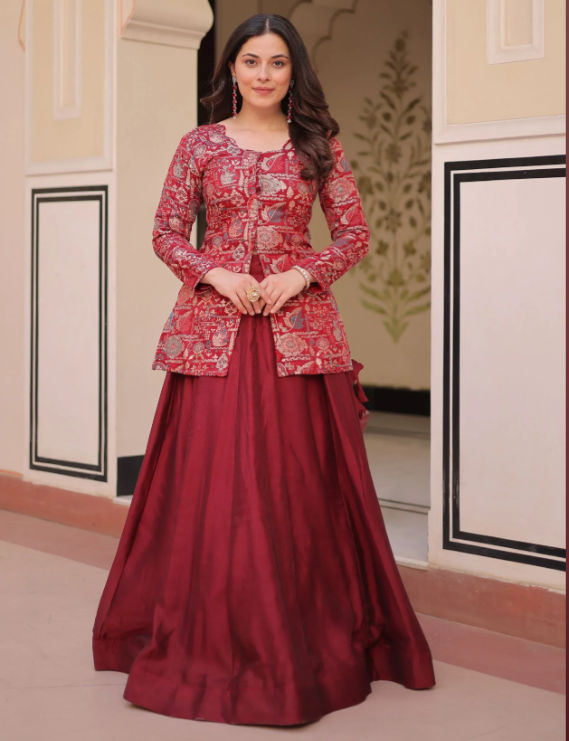

Jaipur has always shared a strong connection with traditional clothing. From wedding celebrations to festive gatherings, sarees often hold an important place in many homes across the Pink City. Banarasi silk sarees, zari-bordered wedding sarees, Bandhani drapes, and Kanjivaram silks are commonly preserved long after the original occasion has passed.
Yet, over time, lifestyles change.
Heavy sarees worn during weddings or family functions sometimes stop becoming part of regular life. Wardrobes grow fuller, celebrations become simpler, and sarees once considered essential may remain untouched for years. This changing reality is one reason many families begin exploring cash for old sarees in Jaipur, especially collections that continue taking up space while no longer being worn regularly.
Jaipur’s Wedding Culture Often Leaves Sarees Carefully Preserved
In Jaipur, wedding clothing often carries long-lasting importance.
Many families continue preserving bridal sarees because they are connected with meaningful occasions. A silk Banarasi saree worn during marriage or a zari-rich saree chosen for family ceremonies often remains folded away after only one or two uses.
Traditional Rajasthani households also tend to hold onto sarees linked with celebrations, especially pieces chosen for weddings, Diwali gatherings, or religious events.
Because of this, many homes gradually build collections of sarees that still look beautiful but rarely become part of everyday dressing again.
Silk Sarees Often Stay in Wardrobes Longer Than Expected
Silk sarees are often among the first pieces families notice while reorganising wardrobes.
A Kanjivaram saree gifted during marriage, a Banarasi silk purchased for a relative’s wedding, or a traditional zari-bordered silk saree may remain carefully packed for years. While these sarees continue carrying memories, they sometimes stop fitting present routines.
This is often when many households begin exploring cash for old silk sarees, especially pieces that have stayed unused despite careful storage.
For some people, the thought comes during seasonal cleaning. For others, it begins before another wedding when older sarees are brought out again after years.
A Small Shift Many Families Quietly Notice
There was a time when heavy silk sarees were reworn during festivals, anniversaries, and family functions.
Today, dressing preferences often feel different.
Many people now prefer lighter outfits for smaller occasions, while heavier sarees remain reserved for only major celebrations. This shift has naturally changed how people view occasion wear that no longer feels practical for regular use.
Sometimes, revisiting an old saree collection becomes less about fashion and more about understanding what still belongs in present lifestyles.
Small Things Families Often Notice Before Revisiting Sarees
✔ Wedding sarees worn only once or twice
✔ Silk sarees untouched for several years
✔ Zari borders are still carefully preserved
✔ Wardrobes filled with occasion wear
✔ Sarees that no longer match everyday routines
These small observations often encourage people to look differently at long-kept collections.
Conclusion
In many Jaipur homes, sarees often remain connected with family celebrations long after they stop being worn regularly. While some continue holding emotional importance, others slowly become part of wardrobes that reflect a different stage of life. For many families, exploring cash for old sarees in Jaipur or revisiting cash for old silk sarees becomes less about letting go and more about understanding sarees that no longer fit present routines. OLDZARI has also helped many saree owners better understand traditional silk and zari sarees while exploring long-kept collections more thoughtfully.