
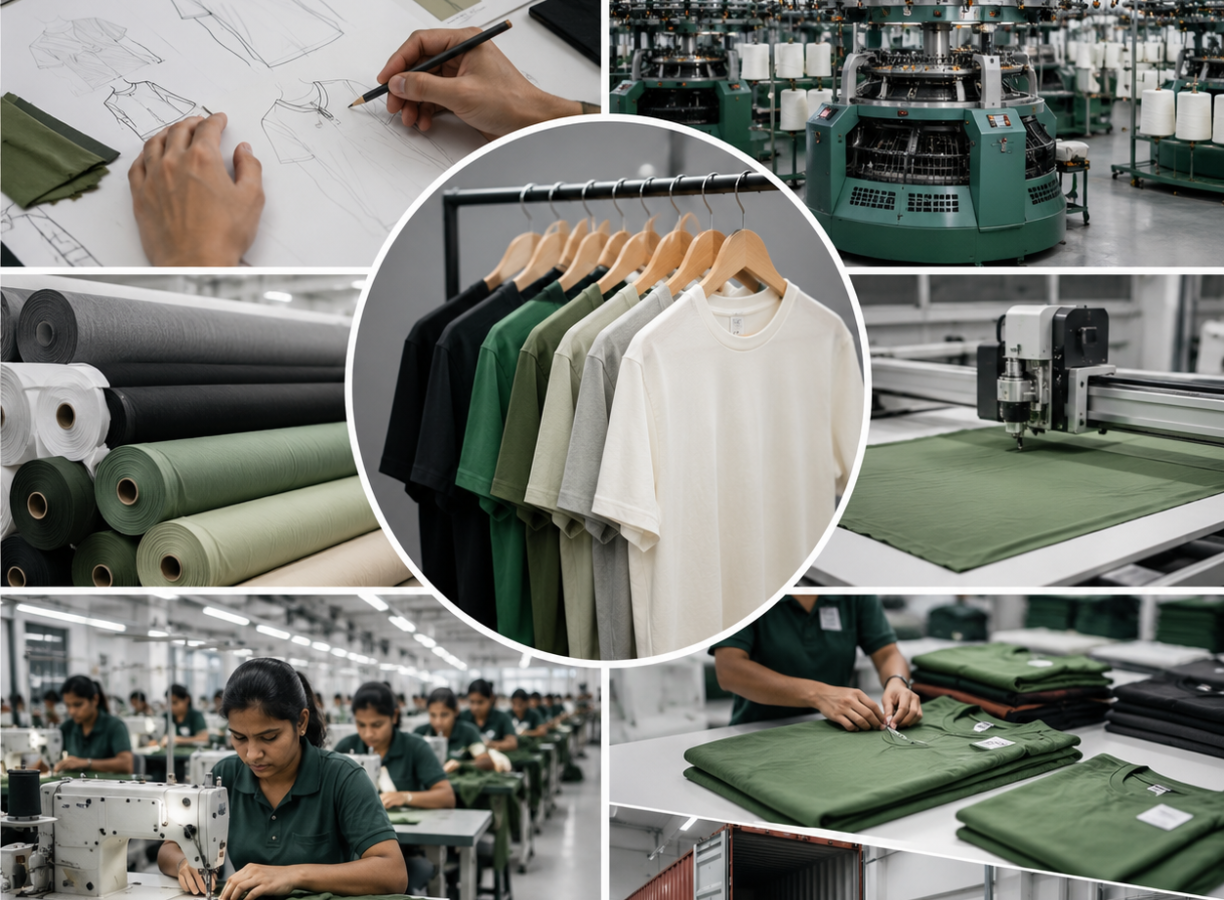
Moving from a successful sample to bulk production is one of the most important decisions a clothing brand makes. The sample may look right, the quotation may fit the budget, and the launch deadline may already be approaching. Still, approving production too quickly can turn small uncertainties into hundreds of inconsistent garments.
Bulk approval should therefore be treated as a formal checkpoint, not a casual message to the factory. Before giving the go-ahead, brands should confirm that the product, materials, measurements, branding and commercial terms are all clearly documented.
Make Sure the Approved Sample Is Truly Final
A sample should not be approved simply because it looks good at first glance. It must represent exactly what the factory is expected to reproduce.
Check the garment in normal use. Try the closures, stretch the seams gently, inspect the inside construction and compare the finished piece with the latest tech pack. If changes were discussed after the sample was made, ensure they are recorded in a revised specification rather than left in an email thread or voice message.
The approved sample should be labelled and dated. Both the brand and manufacturer should know which physical sample, photographs and technical documents form the final production reference. This prevents an earlier version from being used accidentally.
Confirm Measurements and Tolerances
A garment can look correct in one size while still having grading problems across the full range. Before production begins, check the measurement chart for every required size and confirm the permitted tolerance for each point of measurement.
Critical measurements—such as chest width, body length, sleeve length, waist, inseam and leg opening—may need tighter control than less noticeable areas. The appropriate tolerance depends on the garment type, fabric behaviour and construction method.
Brands should also confirm how measurements will be taken. A difference in positioning, fabric tension or whether a waistband is relaxed can produce conflicting results even when two people measure the same garment. A diagram showing each measurement point removes much of this ambiguity.
Approve the Actual Fabric and Trims
Fabric composition alone does not define a material. Two fabrics described as 100% cotton at the same weight can behave very differently after washing, printing and sewing.
Before approving bulk production, verify:
-
Fibre composition and fabric construction
-
Finished weight or GSM
-
Colour and acceptable shade variation
-
Stretch and recovery where relevant
-
Hand feel and surface appearance
-
Shrinkage after the agreed wash method
-
Pilling, colourfastness or performance requirements
Trims need the same attention. Zippers, buttons, drawcords, elastic, hook-and-loop fasteners and interlinings should match the approved quality, colour and dimensions. If an exact trim may become unavailable, agree in advance whether substitutions require written approval.
Test Decoration on Production Fabric
Printing and embroidery should be assessed on the actual production fabric—not only on a similar material. Ink absorption, heat sensitivity, stretch and surface texture can all affect the result.
For printing, confirm placement, dimensions, colour references, curing and wash durability. For embroidery, check thread colours, stitch density, backing, distortion and the comfort of the reverse side. Heat transfers and reflective applications should be tested for adhesion and cracking after washing.
A clear placement guide should measure artwork from stable garment reference points. Instructions such as “centre chest” are open to interpretation and can create visible variation across a production run.
Review Labels, Packaging and Regulatory Information
Care labels, composition labels, size labels and country-of-origin information are easy to overlook because they are small. They can nevertheless create expensive delays if the wording is incorrect or a required label is missing.
Check the exact text, language, symbols, dimensions, colours and sewing position of every label. Confirm that swing tags, barcodes, stickers and packaging correspond with the correct style, colour and size.
Legal labelling requirements vary between markets. A garment intended for several countries may need different language combinations or packaging information. Brands should identify destination-market requirements before labels enter production rather than expecting the factory to infer where the goods will ultimately be sold.
Define Quality Control Before Manufacturing Starts
Quality should not be judged only when the finished cartons are ready to ship. A practical apparel quality-control system should include checks at several stages, allowing problems to be corrected before they affect the full order.
The inspection plan should clarify:
-
Which defects are considered critical, major or minor
-
What sampling or AQL level will be used, if applicable
-
Which measurements and performance points will be checked
-
Whether inline, pre-final and final inspections are required
-
Who receives reports and who can approve corrective action
If independent inspection or laboratory testing is required, agree on the testing body, standards, responsibility for costs and the stage at which samples will be submitted.
Lock the Quantity and Assortment
Factories need more than a total order quantity. The final purchase order should show the exact quantity for each style, colour and size, along with any permitted overproduction or underproduction.
Confirm whether the quoted price is based on the final quantity. Late changes to the size ratio, colours or order volume can affect material consumption, minimum dyeing quantities and unit cost. They can also disrupt labels and packaging that have already been prepared.
Agree on a Realistic Production Timeline
A delivery date is meaningful only when its starting point is clear. Production lead time may begin after sample approval, deposit payment, fabric confirmation or receipt of all artwork—not necessarily when the first enquiry was sent.
A documented clothing manufacturing process helps brands understand the sequence from material sourcing and pre-production approval through cutting, sewing, finishing, inspection and dispatch.
Build some contingency into the launch plan. Fabric delays, failed tests, public holidays and corrections can occur even with good preparation. Shipping time and customs clearance should also be considered separately from factory production time.
Confirm Commercial and Shipping Terms
Before approving the order, both parties should understand:
-
Final unit prices and any additional charges
-
Deposit and balance-payment schedule
-
Incoterms and freight responsibility
-
Production and delivery milestones
-
Inspection and acceptance arrangements
-
The procedure for shortages, defects or approved claims
These details should appear in the purchase order, pro forma invoice or manufacturing agreement. Clear written terms protect both sides and reduce the likelihood of a disagreement based on different assumptions.
Use a formal pre-production approval
The safest final step is a pre-production meeting or written checklist covering every approved component. The brand and factory can review the tech pack, sample, fabric, trims, artwork, labels, packaging, quantity breakdown, timeline and inspection plan together.
Once the information is complete, approval should be issued in writing and stored with the current documents. Any later alteration should have a revision number, date and acknowledgement from the responsible people.
Final Thought
The purpose of pre-production approval is not to make manufacturing unnecessarily complicated. It is to replace assumptions with shared references. A few careful checks before cutting begins can prevent avoidable rework, missed delivery dates and inconsistent products.
For a clothing brand, the most useful question is not simply, “Does the sample look good?” It is, “Have we documented everything needed to reproduce this result consistently across the complete order?” When the answer is yes, bulk production can begin with far greater confidence.