Personal style is not always created through dramatic outfits or an overflowing wardrobe. Often, the smaller details make an outfit feel individual. Handbags, shoes, jewelry, belts, sunglasses, and scarves can change the appearance of familiar clothing without requiring an entirely new look.
Fashion resources such as Sonia Begonia fashion blogger can provide ideas for discovering accessories, styling approaches, and current fashion influences. Rather than copying a complete outfit, readers can identify individual elements they enjoy and gradually incorporate them into a style that feels more personal.
Notice What You Already Reach For
Before shopping for new accessories, look at the ones you use most frequently. There is usually a reason certain pieces repeatedly make it into everyday outfits.
Perhaps you prefer structured handbags, delicate jewelry, simple sneakers, or oversized sunglasses. These recurring choices reveal more about personal style than accessories purchased for a single trend.
Identifying those preferences can make future shopping easier. New pieces can complement an established direction instead of creating an unrelated collection.
Choose a Few Signature Details
A recognizable style does not require wearing the same thing every day. Repeating a few details can create consistency while still allowing plenty of variety.
Someone might regularly wear gold-toned jewelry, while another person may prefer colorful handbags or distinctive footwear. Even a consistent preference for a certain bag shape can become part of a personal look.
The goal is not to create strict rules. Signature details simply provide an easy starting point when putting outfits together.
Use Accessories to Experiment With Trends
Accessories are particularly useful when you want to try a fashion trend without making a major wardrobe change. A new color or texture can be introduced through a bag, belt, scarf, or pair of shoes.
This approach can also be more practical when you are uncertain about how long you will enjoy a particular trend. Instead of buying several clothing pieces, one accessory can provide the desired update.
If the trend continues to suit your style, it can gradually become a larger part of your wardrobe.
Look Beyond the Designer Label
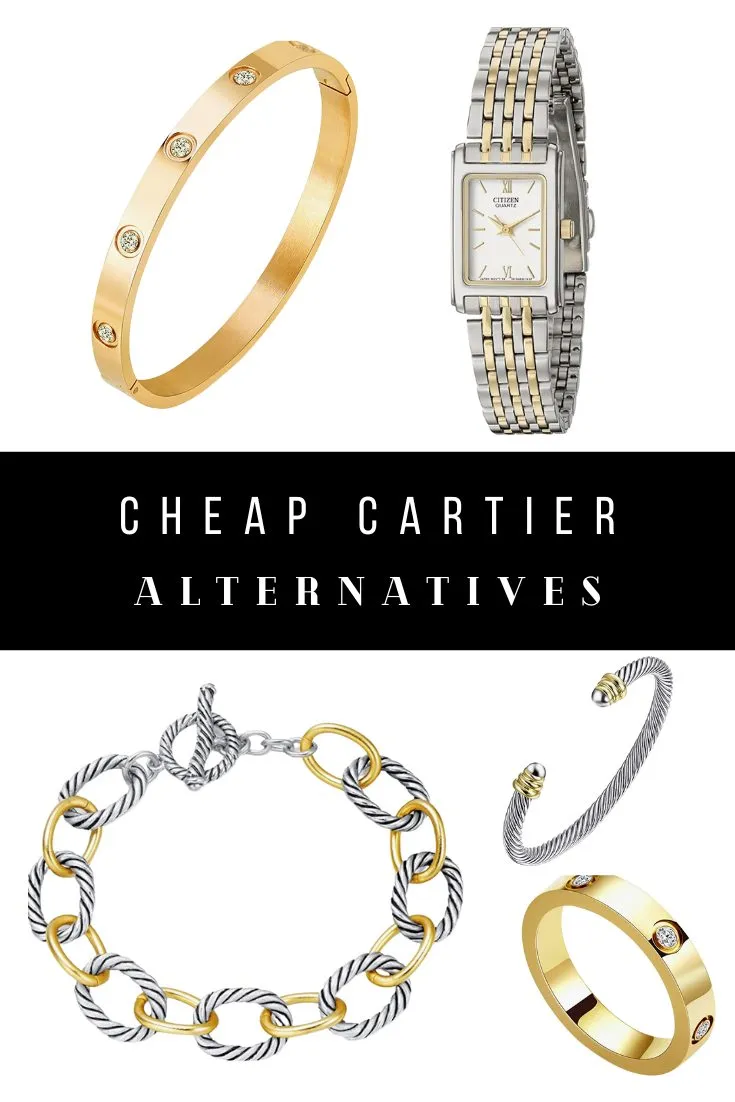
Luxury accessories often influence broader fashion trends. Shoppers may admire a particular silhouette or design detail without wanting to spend at the original designer price level.
Exploring Gucci Look Alikes can provide inspiration for similar aesthetics at different price points. However, visual appeal should be considered alongside practical features.
Check materials, measurements, compartments, straps, closures, and care information. An accessory becomes more valuable when it suits your routine rather than simply resembling a well-known design.
Consider Your Everyday Color Palette
Accessories are easier to style when their colors work naturally with the clothing you wear most often. Take a quick look at your wardrobe and identify the shades that appear repeatedly.
If most clothing is neutral, accessories can introduce stronger colors without making outfits difficult to coordinate. Alternatively, neutral accessories can create balance when clothing already contains plenty of color or prints.
There is no requirement for everything to match exactly. Coordinating tones often creates a more natural and flexible result.
Balance Statement and Simple Pieces
An outfit can become visually crowded when every accessory competes for attention. Combining one stronger piece with simpler supporting details often creates a more balanced look.
For example, a distinctive handbag may work best with understated jewelry. Statement earrings might need little more than simple shoes and a neutral bag.
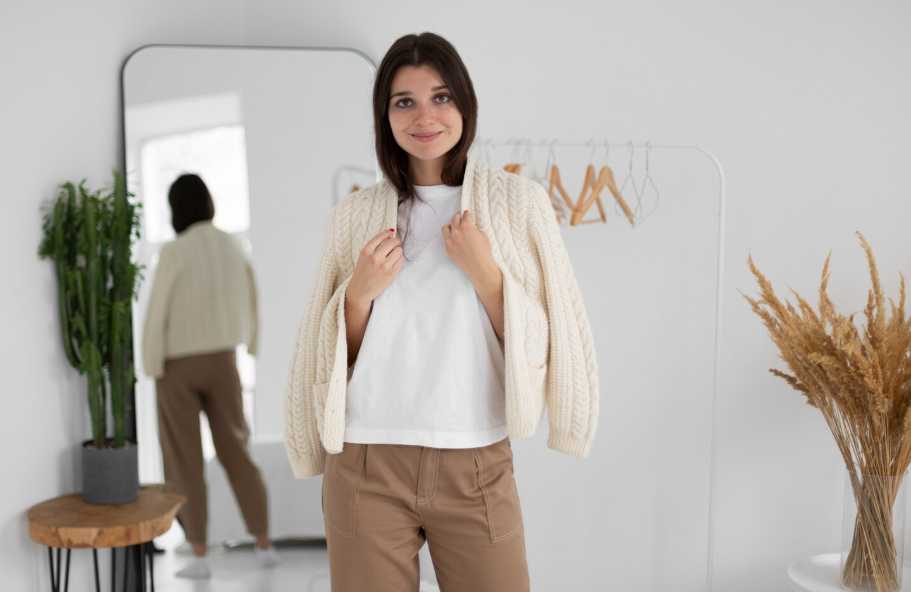
Experimenting in front of a mirror can help determine what feels right. Personal style is ultimately about preference rather than following a fixed formula.
Think About Practicality
An accessory may look excellent but still become frustrating if it does not suit everyday activities. Practical considerations should therefore be part of the buying decision.
For bags, consider capacity, strap length, and closure. With shoes, think about comfort and how far you normally walk. Jewelry should also suit the situations in which you expect to wear it.
Practical pieces are more likely to become genuine parts of a signature style because they can be worn regularly.
Rotate Instead of Constantly Replacing
Refreshing accessories does not always mean purchasing new ones. Rotating pieces that have not been worn recently can make familiar outfits feel different.
Store accessories where they remain visible and accessible. Items hidden away are easy to forget, even when they still suit your current wardrobe.
Regular rotation can also reveal which pieces remain favorites and which no longer reflect your preferences.
Conclusion
Accessories provide a flexible way to develop personal style without continuously replacing clothing. Repeated colors, shapes, jewelry choices, and footwear can gradually create a recognizable look, while occasional trend-led additions keep outfits interesting. The most successful accessories balance appearance with comfort, practicality, and versatility. By paying attention to the details you genuinely enjoy wearing, you can create a style that feels consistent and individual while still leaving plenty of room for experimentation.